
Rest & Digest
GUT-BRAIN SCIENCE & SKILLS FOR DIGESTIVE CONDITIONS
Free Live Class
Gut-Brain Connection 101
The role of your nervous system & stress in digestive symptoms
Wednesday, Oct 28 · 12p PST / 3p EST
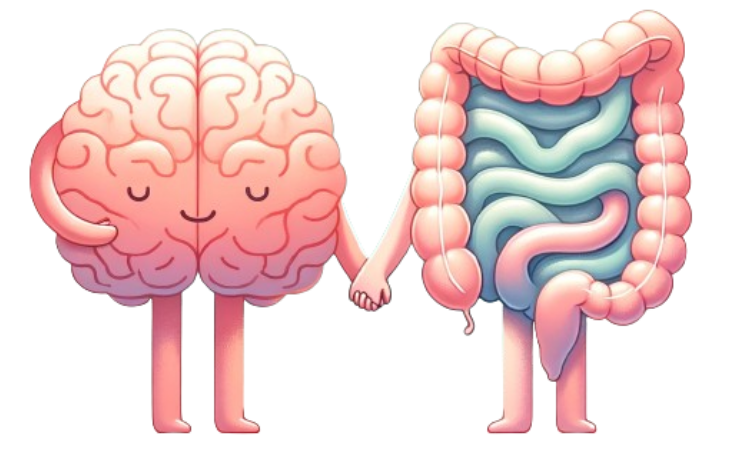
Does stress make your symptoms worse?
For most people with a digestive condition, it does.
And the symptoms themselves become one more source of stress.
GI psychology addresses this directly, and it's used at leading medical centers alongside medical care & diet.

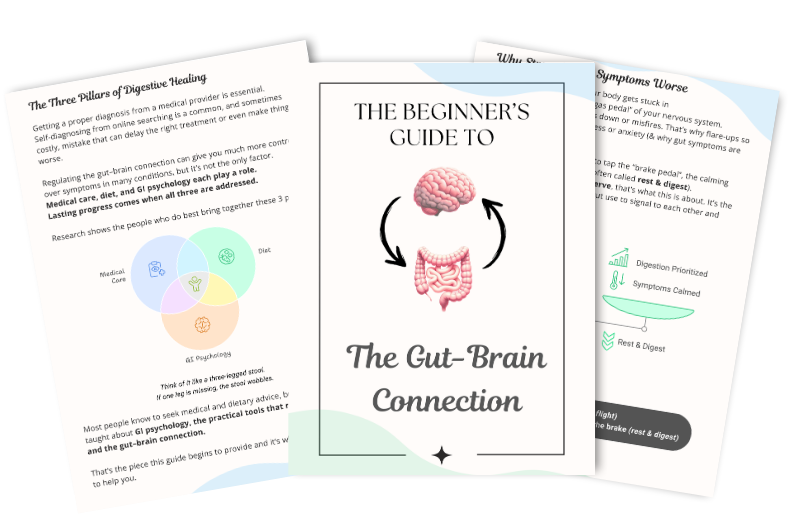
Beginner’s Guide to the Gut–Brain Connection
✔ Why stress & anxiety can flare symptoms
✔ The 3 pillars of digestive healing
✔ How to activate your body’s natural “rest & digest” mode
The Podcast
The Gut-Brain Connection, Explained
Meds & diet address two pillars of reflux treatment
Most people never address the third

About Scott Rower, PhD
I know firsthand how hard it is to live with a chronic digestive condition.
I’ve had Crohn’s disease for nearly 20 years. For a long time I tried to power through it, until I hit the point of “I can’t live like this anymore.”
It didn’t need to be that hard. As a clinical psychologist with specialized training in GI psychology, I built this site to offer the part of care I wish I’d found sooner.